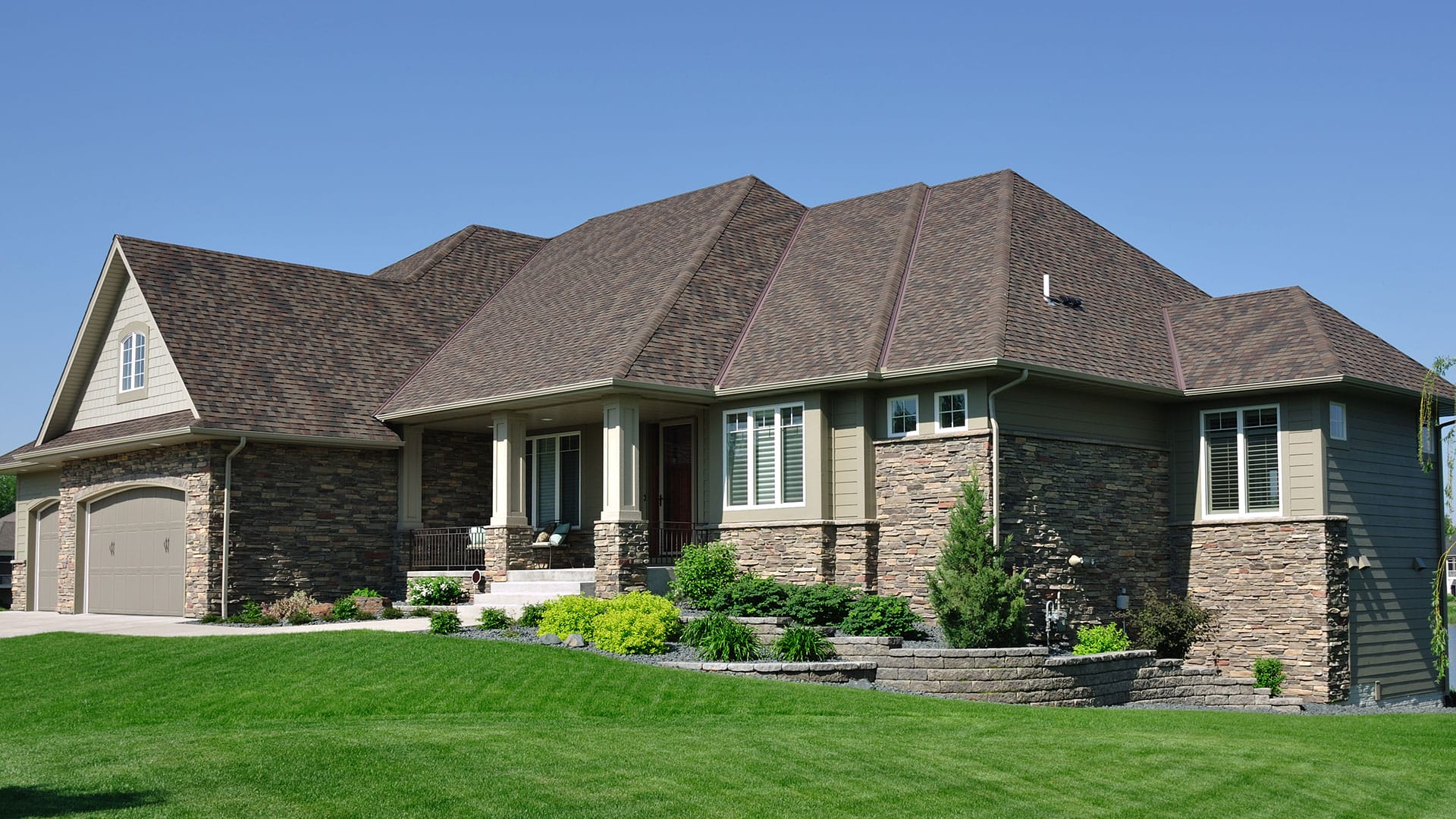
Can Pressure Washing Damage Concrete, Siding, or Wood Surfaces?
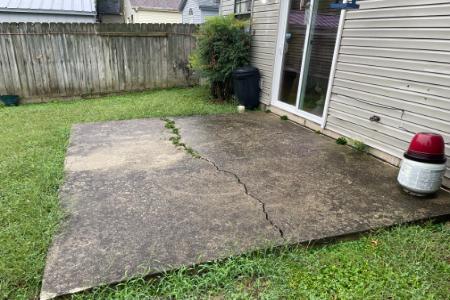
It's a fair question many Lexington homeowners ask each spring: Can pressure washing damage concrete, siding, or wood surfaces? The short answer is yes, it can if it's done the wrong way, and no when it's done with the right methods, chemistry, and care. If you're comparing options for your home, take a minute to understand where damage comes from and how a trained team prevents it during pressure washing. High pressure used the wrong way can harm surfaces, void coatings, and push water where it doesn't belong.
What Actually Causes Damage With Pressure Washing
Pressure washing is a balance of four factors: water pressure, water flow, cleaning solution, and dwell time. When any of these are off, even tough materials can suffer. The surface's age and condition also matter. Older paint, oxidized vinyl, sun-baked wood, and hairline cracks in concrete are more vulnerable.
- Too much pressure focused on a small point can etch, scar, or lift coatings.
- Wrong nozzle angle or holding the tip too close can force water under laps, into joints, or behind trim.
- Harsh or misapplied chemistry can strip sealers, fade color, or spot-glass windows.
- Cold snaps and freeze-thaw cycles after a wash can worsen small cracks if water remains in the pores.
Pros manage all four factors and adjust on the fly. That's the difference between a clean, healthy surface and one that's streaked or scarred.
Can Pressure Washing Damage Concrete?
Concrete looks bulletproof, but it's porous and sensitive to method. Too much pressure can etch the paste that holds the aggregates, leaving light-and-dark "zebra striping." Close-range blasting can pop out small stones and expose coarse aggregate. Strong chemicals or the wrong dilution can haze the surface or strip sealers unevenly.
Newer or recently patched slabs are softer and more at risk. Driveways and sidewalks in Lexington also see winter salt and freeze-thaw, which open pores and invite moisture. If water gets driven deep into those pores and a cold snap follows, microcracking can spread. Decorative finishes like stamped concrete and colored hardeners are even more sensitive to aggressive tips and hot mixes.
There's also efflorescence, the white powdery film that can appear when water carries salts to the surface. Central Kentucky's limestone-rich environment and hard water can make this more noticeable on shaded patios and basement walk-outs. Avoid blasting sealed or newly poured concrete, and treat stains with the right chemistry at controlled pressure.
Can Pressure Washing Damage Siding?
Vinyl, fiber cement, aluminum, and painted wood siding can all be cleaned safely, but each material responds differently. Misapplied pressure can crease vinyl, lift laps, drive water behind fiber-cement boards, or push moisture into sheathing through weep holes. It can also disturb caulk lines around windows and doors or force water into light fixtures and outlets.
Oxidation is another concern. Many older vinyl panels develop a chalky layer that wipes off on your hand. If high pressure hits that layer, it can create streaks or a patchy finish. The safest method for most siding is a low-pressure application of a purpose-made cleaner, followed by a gentle rinse. That's soft washing, and it's designed to kill organic growth without risking structure or finish. Never direct high pressure at windows, outlets, soffits, or gable vents where water intrusion is likely.
Can Pressure Washing Damage Wood Surfaces?
Wood decking, fences, and trim are very sensitive to tip selection, angle, and distance. Too much pressure can cause furring, which raises the grain and creates a fuzzy texture. It can also leave wand marks, open up checks, or strip stain unevenly, so the surface looks blotchy. Soft species like pine and cedar require special care. Even dense hardwoods can scar if you hold a tip too close.
Moisture management matters for wood. Driving water under deck boards or into end grain can lead to swelling and longer dry times before refinishing. If an old coating is fragile, the wrong approach can peel it in sheets and expose bare wood. A professional process uses detergents that loosen soils, so lower pressure can rinse them away. Rinsing direction follows the grain to protect the appearance and limit lap marks.
Local insight: Lexington's spring pollen and humid summers feed algae on north-facing siding and shaded decks. Our water often carries dissolved minerals from limestone, which can leave light deposits on concrete if rinsing is rushed. A gentle, thorough rinse and proper dwell times reduce the chance of residue and repeat growth.
Situations That Increase Risk
Local weather and building styles shape the best cleaning plan. Neighborhoods like Chevy Chase and Kenwick have charming older homes with layered paint, tight trim lines, and quirky additions. Hamburg and Beaumont include newer builds with wide vinyl panels and tall gables that funnel wind. Masterson Station has many sun-exposed decks and privacy fences. Each area has its own surface mix and exposure that call for the right blend of pressure, chemistry, and technique.
- Spring storms blow debris behind shutters and into soffits, a common place for hidden moisture.
- Humid summers boost algae and mildew on the north and east sides of homes and on shady sidewalks.
- Winter freeze-thaw can widen hairline cracks in driveways if water is pushed deep into the slab.
All of this is manageable with a site-specific plan and equipment that matches the material, not the other way around.
How Pros Protect Your Home During Pressure Washing
A careful process is the best insurance against damage. Trained technicians start with an inspection and a short plan for each surface so there are no surprises. On mixed-material exteriors, they'll vary tools and chemistry zone by zone. That keeps water out of vulnerable areas and gives you an even, consistent finish.
Here's what a professional approach typically includes:
- Pre-inspecting for oxidation, hairline cracks, loose paint, and fragile sealers.
- Masking or covering outlets, door thresholds, cameras, and sensitive trim.
- Selecting the right method for each surface, often choosing soft washing for siding and painted wood.
- Applying cleansers at the proper strength, then rinsing from the correct distance and angle.
- Managing runoff to keep landscaping healthy and hardscape residue-free.
If you're weighing options, it helps to understand that safe results come from process, not brute force. That's why many homeowners in our area rely on professional pressure washing when they want a fresh look without the risks that come with guesswork.
When Soft Washing is The Better Choice
Soft washing uses low pressure combined with detergents that do the heavy lifting. It's usually the right call for vinyl and aluminum siding, painted trim, and delicate details like crown moldings or decorative shutters. On wood, it's a way to loosen grime and organic growth so the final rinse can be gentle and even.
On concrete, soft washing sometimes precedes a light rinse on decorative or sealed surfaces. The goal is to remove the contamination with chemistry, then rinse at a pressure that won't disturb sealers, color, or texture. In Lexington's climate, that approach helps limit striping and streaks while still tackling pollen, algae, and road film that settle throughout the year.
Signs Of Damage and What To Do Next
Some issues are obvious the moment water hits the surface, while others appear as the area dries. Watch for these signs and respond quickly:
On concrete, etching looks like light streaks or fan patterns where paste has been removed. On siding, water behind laps may show as drips at seams or fogging at window edges. On wood, furring looks like raised fibers that feel rough to the touch, and wand marks look like darker or lighter stripes.
If you see any of these, stop further washing and document with photos before the area fully dries. A professional can assess whether adjustments in method, chemistry, or timing can prevent a repeat and advise on restoration. Early attention often keeps a small cosmetic issue from turning into a larger repair.
Why Homeowners Choose Clean Slate Contracting
Cleaning is our craft, not a one-size-fits-all blast. We tailor settings and solutions to the surface so your concrete, siding, and wood look their best without unnecessary wear. We're local, which means we understand how Bluegrass pollen and humidity affect different materials throughout the season. We stand behind our work and communicate clearly about what to expect before, during, and after service.
You'll also get courteous scheduling, careful prep, and thorough rinsing that protects plants and hardscapes. If we think a low-pressure method or a different detergent will be safer, we will tell you and adjust. That's how we build long-term relationships with Lexington homeowners who want clean results and peace of mind.
Get Safe, Professional Results On Every Surface
If you've wondered whether pressure washing can damage concrete, siding, or wood, you're asking the right question. The safest answer is to choose a process that respects the material, the climate, and your home's unique details. For safe pressure washing that protects your investment, schedule with Clean Slate Contracting today at 859-940-9014.
Our Complete Services
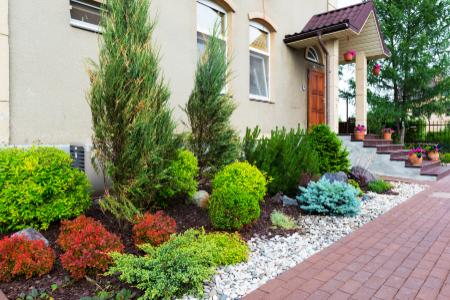
Wish your yard looked tidy without spending your weekends on it? Based in Nicholasville, Clean Slate Contracting provides lawn care & landscaping for Lexington, Versailles, Georgetown, and the surrounding communities. Call 859-940-9014 for a fast, friendly quote. […]

Want your walls to wow without the hassle or mess? Based in Nicholasville, Clean Slate Contracting provides professional painting for homes and businesses in Lexington, Georgetown, Paris, Danville, and the surrounding communities. Call 859-940-9014 for a free quote. […]
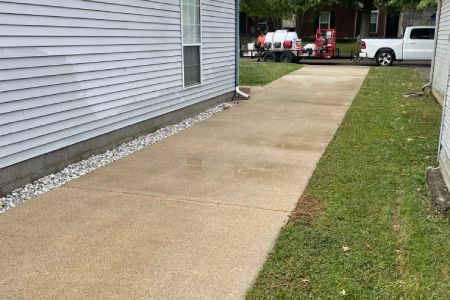
Seeing stains, mildew, or road grit taking over your exterior? We can help. We provide pressure washing from our home base in Nicholasville to Lexington, Georgetown, and the surrounding communities. 859-940-9014. Your property deserves more than a quick rinse. Our technicians match the right water pressure, temperature, […]
Ready To Improve Your Property? Contact Us For Your Painting, Pressure Washing, and Lawn Care Needs!