5 Common Reasons Paint Starts Peeling or Bubbling
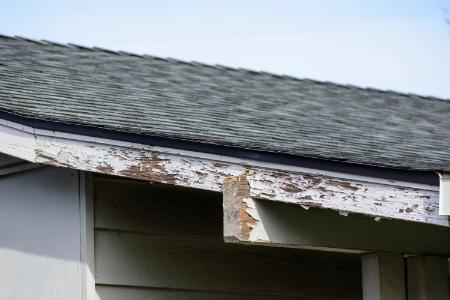
If you are seeing paint peeling or bubbling on your walls, ceilings, or trim, you are not alone. Homes across Lexington deal with quick swings in humidity, heavy spring rains, and sunny summer afternoons that can be hard on finishes. Below, we explain the most common peeling paint causes, what each one looks like, and why it happens. When you are ready to protect your home with professional painting, our team at Clean Slate Contracting is here to help.
1: Moisture Intrusion and High Humidity
Moisture is the number one trigger behind paint failure. When water gets behind a paint film, it tries to escape as vapor. That pressure lifts the coating, forming small blisters that turn into larger bubbles or sheets of peeling paint. Bathrooms without working exhaust fans, basements with damp walls, and exterior siding that faces wind-driven rain are common hot spots in neighborhoods like Chevy Chase and Masterson Station.
In Lexington, summer humidity can push indoor relative humidity higher than 60 percent. That level slows curing and traps moisture under fresh coats. On exteriors, leaks around window flashing, failing caulk, or clogged gutters can feed water into siding and trim. Inside, hairline plumbing leaks or condensation on cold surfaces can cause the same thing.
- Tell-tale signs: small dome-shaped blisters, soft spots that press back in, or peeling that starts near joints and window corners.
- Typical surfaces affected: bathrooms, laundry rooms, basements, north-facing siding, and trims with failed caulk lines.
Avoid painting over damp or recently power-washed surfaces; coatings need a truly dry, stable base to last.
2: Poor Surface Preparation
Paint sticks best to clean, dull, and sound surfaces. When dust, chalk, or old gloss is left in place, the new layer bonds to the contamination instead of the wall. As traffic, sunlight, and seasonal movement stress the surface, the weak bond gives way and the coating peels. We often see this on handrails, kitchen walls near ranges, and high-touch door trim in busy areas of Beaumont and Hamburg.
Another common prep miss is skipping a suitable primer. Primers lock down porous or chalky surfaces and give the topcoat something to grip. Shiny or previously oil-painted trim needs a bonding primer designed for that substrate. Without it, the new finish may look fine for a few weeks, then start to chip at the edges or pull off in long strips.
If the base layer is loose, glossy, or dusty, fresh paint will not fix it; the underlying problem must be corrected first.
3: Incompatible Or Low-Quality Coatings
Not all paints play well together. Putting a water-based latex over a hard, glossy oil finish without scuffing and priming can cause poor adhesion and early failure. Likewise, using interior-only paint in areas with steam or splashes can lead to softening and peel-back. Cheaper coatings also tend to have fewer solids and weaker binders, which makes them less resistant to moisture and scrubbing.
Primer selection matters too. Stain-blocking primers help with watermarks and tannins in wood. Masonry primers help on block or brick. If the wrong product is used, stains can bleed through, and the topcoat can lift. This mismatch often looks like random patches of bubbling over stains, knots, or previous repairs.
Choosing a system where primer and topcoat are designed to work together reduces failure risk and extends the life of your finish.
4: Temperature, Sun, and Timing Issues
Paint needs the right temperature window to cure. If it is applied when the surface is too hot from direct sun, solvents flash off too fast, and the film can skin over, trapping solvents and moisture. That trapped content later expands, forming bubbles. If paint is applied in cold snaps or right before an overnight temperature drop, it can cure too slowly and lose adhesion. In Lexington, quick shifts from warm afternoons to cool nights in spring and fall make timing crucial.
Wind can be a hidden factor. Strong breezes dry the surface too quickly while the layer beneath stays soft. On exteriors, this can lead to tiny pinhead blisters that grow over a few days. Indoors, painting near active HVAC vents can create similar uneven drying issues.
- Ideal approach: plan work during stable weather, shade sunlit walls, and follow the label's temperature and recoat windows.
- Watch out for: fresh paint that wrinkles when lightly pressed or forms bubbles within 24 to 48 hours after application.
Local insight: Central Kentucky's humidity can jump after fast-moving summer storms. Fresh exterior coatings are most vulnerable during those swings. Scheduling work during a stable forecast helps coatings cure well and resist bubbling.
5: Layers, Movement, and Aged Substrates
Even when moisture and prep are handled, older homes may have many layers of paint with different chemistries. Over time, the stack becomes brittle. Normal expansion and contraction from freeze-thaw cycles can make those older layers crack and let go. On plaster or drywall, settling or hairline cracks around doorways and corners can show up first as bubble clusters or edge lifting.
Wood movement is another culprit. Window sills and exterior trim take on moisture and dry out repeatedly. If the coating cannot stretch with the wood, it fractures and peels at joints and end grains. Historic areas like Ashland Park often mix older substrates with newer materials, so transitions need special attention with flexible primers and sealants.
How To Spot Trouble Early
Stopping small failures before they spread protects your home and prevents larger repairs. Look for these early signals during routine cleaning or seasonal walk-throughs:
- Flat or eggshell walls that feel chalky when you brush them with your hand.
- Hairline cracks at inside corners or where trim meets walls.
- Tiny blisters near steamy areas like showers or above kitchen backsplashes.
- Peeling that starts at horizontal surfaces like window sills or baseboards.
If you notice any of these, a professional assessment can confirm the root cause. The right plan focuses on fixing the source first, then restoring a durable finish that matches your home's style.
What A Professional Evaluation Includes
A thorough inspection is more than a quick glance. A trained eye looks for patterns and tests the surface to understand why paint peeling or bubbling is active in one area and not another. At Clean Slate Contracting, a typical evaluation includes:
- Moisture checks around windows, doors, and plumbing fixtures.
- Adhesion testing on suspect areas to see which layer is failing.
- Review of previous coatings to identify compatibility risks.
- Assessment of ventilation, caulking, and weather exposure.
Once the cause is clear, we recommend a solution that focuses on stable, long-term results rather than a quick cover-up. That can mean targeted repairs, upgraded primers, and timing the work for Lexington's most reliable weather windows.
Why Lexington Homes See These Problems
Central Kentucky sits in a climate zone with humid summers, freeze-thaw winters, and quick storm fronts. Exterior surfaces expand and contract across the seasons. Interiors experience steam from daily living. Neighborhoods with mature trees offer shade that keeps surfaces cooler and sometimes damp longer after rain. All of this makes preparation, product choice, and timing just as important as the painting itself.
If you are searching for a trusted painting company that understands these local conditions, you are in the right place. Our crews work across Lexington every week and tailor products and schedules to match your home's exposure, from sun-baked elevations to protected porches.
How We Help Protect Your Finish
Our process is built to solve the cause, not just the symptom. We start with careful masking and protection, then address any moisture pathways or failing materials. Surfaces are prepared to a clean, dull, and sound state, then primed with products that match the substrate and your home's use. Finally, premium coatings are applied within the manufacturer's recommended temperature and recoat windows for a smooth, even film.
This approach creates a finish that resists blistering, bonds tightly, and stands up to daily cleaning. It is the difference between repainting the same problem spots every year and getting a durable result that looks great through Kentucky's toughest seasons.
When To Call A Pro
If you see active leaks, soft drywall, or widespread bubbling after a storm, it is time to bring in help. Fast action limits damage and prevents the need to repaint large areas. Need help with paint peeling or bubbling? Call Clean Slate Contracting at 859-940-9014 for a prompt, professional assessment.
Our Complete Services
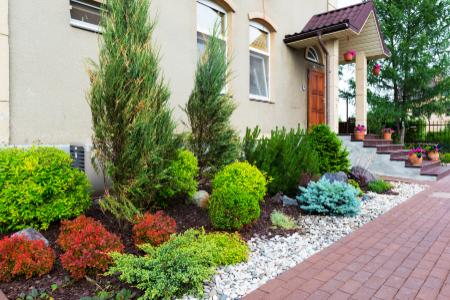
Wish your yard looked tidy without spending your weekends on it? Based in Nicholasville, Clean Slate Contracting provides lawn care & landscaping for Lexington, Versailles, Georgetown, and the surrounding communities. Call 859-940-9014 for a fast, friendly quote. […]
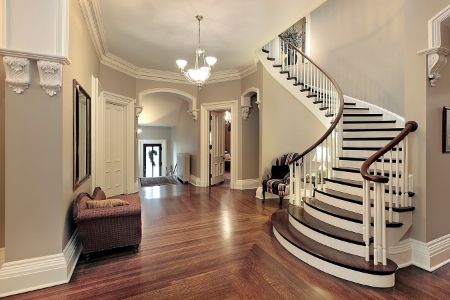
Want your walls to wow without the hassle or mess? Based in Nicholasville, Clean Slate Contracting provides professional painting for homes and businesses in Lexington, Georgetown, Paris, Danville, and the surrounding communities. Call 859-940-9014 for a free quote. […]
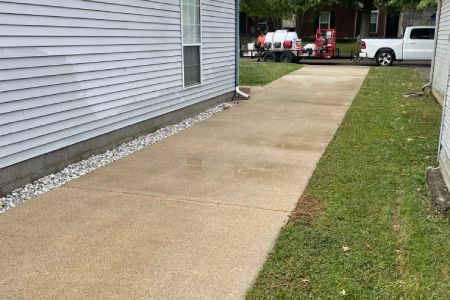
Seeing stains, mildew, or road grit taking over your exterior? We can help. We provide pressure washing from our home base in Nicholasville to Lexington, Georgetown, and the surrounding communities. 859-940-9014. Your property deserves more than a quick rinse. Our technicians match the right water pressure, temperature, […]
Ready To Improve Your Property? Contact Us For Your Painting, Pressure Washing, and Lawn Care Needs!