Why Is My Mulch Fading So Quickly?
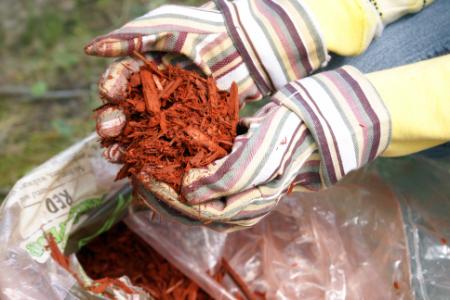
If your once-rich beds have turned dull or gray, you are not alone. Homeowners across Lexington see mulch lose color faster than expected, especially after a bright summer or a stormy spring. The good news is that fading has clear causes and predictable patterns. When you understand what is happening above and below the surface, you can schedule the right service to keep your landscape looking sharp. If your beds need a professional refresh, ask about mulch installation designed for our Bluegrass climate.
What Causes Mulch To Fade In Lexington, KY?
Mulch color changes for a handful of scientific reasons tied to light, water, and material quality. The exact mix is unique to each property, from sunny lots in Beaumont to shaded streets in Kenwick. Below are the most common drivers our team observes on Central Kentucky properties.
- Sunlight breaks down color fastest. UV light oxidizes wood fibers and pigments, turning warm browns to a silvery gray. Wide open front yards in Hamburg or Masterson Station fade noticeably quicker than deep, shaded beds.
- Rain and irrigation rinse pigments. Frequent watering or heavy spring storms can leach color from the top layer and move lighter particles to the surface.
- Foot traffic and mowers scuff the finish. Edges near sidewalks, play areas, and mower wheels show wear first, exposing lighter wood beneath.
- Material and dye matter. Hardwood and bark mulches weather differently, and lower-grade colorants tend to wash out sooner than premium, colorfast options.
- Microbes and air change the wood. Natural decomposition, oxygen, and Kentucky's temperature swings all nudge mulch toward a neutral gray over time.
It may look like the color vanished overnight, but fading is usually a steady process that shows up first on ridges and high spots. Shade-protected pockets often retain depth while exposed areas lighten, which is why beds can appear patchy after a few sunny weeks.
How Long Does Mulch Color Last?
There isn't a single clock for multiple colors. Expect a range based on sun exposure, rainfall, and the material applied. In full Lexington sun, undyed mulch often shifts toward gray within a few months, while premium color-enhanced mulch can hold a deeper tone longer. In partial shade or on the north side of a home, color can remain attractive through multiple seasons.
Homeowners often ask, "How long does mulch color last?" A practical yardstick is to plan on a visual refresh at least once per year for beds that face strong sun or frequent watering. Shadier or protected areas may look great beyond a year. Remember that the top half inch takes most of the weather, so a light refresh can bring back curb appeal without reworking the entire bed.
Material choice also plays a role. Bark-heavy blends tend to resist bleaching longer than shredded hardwood. Cedar and cypress weather differently from pine or mixed hardwoods. The quality of the colorant and how evenly it was applied influence how gracefully the tone softens.
Local Factors That Speed Up Fading
Lexington's climate creates a unique set of pressures for bed color. Our bright midsummer sun, quick afternoon pop-up storms, and periodic cold snaps team up to lighten mulch faster than you might expect. Properties with south or west exposure in areas like Palomar or Chevy Chase get stronger late-day UV. Soil conditions matter, too. Bluegrass clay can stay damp after rain, and that added moisture often accelerates the washout of surface pigments near downspouts and low spots.
Wind across open lots moves the lightest pieces to the top, where they gray first. On sloped drives or near sidewalks, salt carried from winter roads can also dull the look of perimeter beds by late season. None of these is a deal breaker. They simply mean your mulch plan should match your property's sun, slope, and water patterns.
Local insight: After intense summer sun followed by a thunderstorm, the top layer can fade unevenly in a single week. A scheduled, light refresh in early summer helps beds in Lexington keep a consistent, rich tone through the hottest months.
Ways Pros Keep Beds Looking Fresh Longer
The fastest route to longer-lasting color is a professional approach that considers material, coverage, and the microclimate around your beds. Instead of overfilling or using a one-size-fits-all blend, a tailored plan keeps color consistent and plants healthy. Here are the practice areas our crews prioritize for properties across Fayette County.
- Right material, right spot. A premium, colorfast blend in high-sun areas and a complementary natural mulch in protected zones reduce uneven fading.
- Consistent depth. Even coverage helps prevent thin, sunburned patches that bleach first and look dusty by midsummer.
- Clean bed edges and stable borders. Defined edges reduce foot traffic on beds and keep color uniform along walks and drives.
- Water and runoff awareness. Directing irrigation heads and managing downspout splash zones protects color in the areas that wash out first.
- Seasonal refresh strategy. A light top-off at the right time restores tone without burying roots or pushing mulch against trunks.
These steps focus on color, but they also support plant health and reduce weeds. A well-set bed with the right product will fade more evenly and more slowly. That means your home keeps that "just-done" look longer between service visits.
Choosing the Right Mulch Color and Material
Color should complement your home and its surroundings, not compete with them. In Lexington's neighborhoods, warm browns often pair well with brick, while richer espresso tones can frame stone accents without looking harsh. Black mulch delivers bold contrast in modern designs and around bright annuals, though it may show dust or pollen sooner in windy areas.
Material selection influences both tone and fade pattern. Bark-forward mixes can keep a natural look as they age, while finely shredded hardwood often turns a uniform gray more quickly. If you love the crisp, just-installed color, ask about premium, color-stable options that are made for strong sun. For a softer, organic aesthetic around cottage gardens, a natural bark may be the better fit, even though it lightens sooner.
It is also smart to consider how the bed is used. High-traffic areas near patios benefit from a blend that resists scuffing and compacts slightly to stay in place. Around foundation shrubs, a lighter, airy material helps with airflow while still framing plants with a clean edge.
When to Refresh or Replace Faded Mulch
Timing is everything. In Central Kentucky, many homeowners schedule a color refresh in early spring to set the tone for the growing season, with a light touch-up again in mid to late summer if beds see heavy sun. Areas that stay shaded or protected from irrigation may go longer and still look sharp. The key is to refresh what you see, not to bury what you do not.
When color is gone across most of the surface, or when you notice a spongy layer that stays wet, it is time to replace rather than top off. That swap supports plant health and keeps pests down. If you are managing beds at a corner lot or near school routes where salt and foot traffic are heavy, a late fall check can set you up for a strong start next spring.
Common Myths About Faded Mulch
- Myth: "Faded mulch means it was poor quality."
- Reality: Not always. Even premium products lighten under the strong Bluegrass sun. Look for even fading rather than blotchy, washed-out patches when judging product quality.
- Myth: "More mulch fixes fading."
- Reality: Adding more volume does not restore color by itself and can harm plants if layered too deeply. A light refresh with matched material is the right move when the structure beneath is still sound.
- Myth: "Darkest mulch lasts the longest."
- Reality: Tone and last are related, but the winning factors are material, pigment quality, and sun exposure. A carefully selected medium-brown can hold an attractive look longer than an ultra-dark product that scuffs easily.
- Myth: "Color likes shade only."
- Reality: Shade helps, but coverage consistency, runoff control, and edge protection matter just as much. A sunny front bed can still look great all season with the correct plan.
Signs You Need Professional Attention
If your beds look dull within weeks, or if color fades in streaks beneath gutters and along sidewalks, it is time for a pro evaluation. Uneven fade patterns often point to irrigation overspray, storm splash, or thin coverage. A quick check can confirm whether you need a light refresh or a full changeout to reset the color and restore clean lines around your plantings.
If mulch fading is hurting your curb appeal, contact Clean Slate Contracting at 859-940-9014 for a tailored plan that keeps color looking fresh. Our team knows the Lexington climate, from late-day sun on west-facing drives to soggy corners near clay-heavy soil. We match product and timing to the way your yard actually lives through each season.
Our Process for Long-Lasting Color
Every property gets a simple, repeatable process focused on visual results. We start with a quick walk-through to note sun exposure, runoff, edges, and traffic patterns. Then we select a product that fits your goals and your home's style. Finally, we set a schedule for light, timely refreshes so the top layer never gets so thin that it bleaches in strips.
If your beds are due for a reset, ask about mulch installation with consistent depth, crisp edges, and color-matched material. That combination protects your investment in plants and hardscapes while giving your home a tidy, finished look every day of the season.
Neighborhood Examples We Commonly See
In Beaumont and Palomar, wide open lawns experience stronger afternoon sun that speeds up bleaching on the street-facing side. Along tree-lined streets in Chevy Chase and Kenwick, shade keeps color deeper, but fallen leaves and moisture can soften the top layer faster. Large corner lots in Hamburg or Masterson Station often battle wind and runoff, so bed edges and uniform coverage make a visible difference in how evenly color ages.
Each of these settings can look fantastic with the right plan. The mix of sun, wind, and water is different across Lexington, which is why a local approach outperforms a generic one-size-fits-all product.
Ready to Restore A Rich, Even Mulch Color?
Fading is normal, but living with tired, gray beds is not. A thoughtful plan and professional service keep your landscape looking polished. Whether you have a sunbaked corner by the mailbox or a shaded bed that looks flat, we will recommend materials and timing that balance appearance and plant health. Explore our full range of lawn care services if your yard needs more than color.
Questions about which blend will keep its tone in your specific microclimate? Call 859-940-9014 and our local team will guide you through options that match your home's style and the way your property handles sun and water.
Our Complete Services
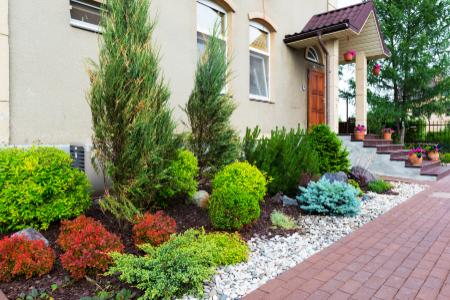
Wish your yard looked tidy without spending your weekends on it? Based in Nicholasville, Clean Slate Contracting provides lawn care & landscaping for Lexington, Versailles, Georgetown, and the surrounding communities. Call 859-940-9014 for a fast, friendly quote. […]
Want your walls to wow without the hassle or mess? Based in Nicholasville, Clean Slate Contracting provides professional painting for homes and businesses in Lexington, Georgetown, Paris, Danville, and the surrounding communities. Call 859-940-9014 for a free quote. […]
Seeing stains, mildew, or road grit taking over your exterior? We can help. We provide pressure washing from our home base in Nicholasville to Lexington, Georgetown, and the surrounding communities. 859-940-9014. Your property deserves more than a quick rinse. Our technicians match the right water pressure, temperature, […]
Ready To Improve Your Property? Contact Us For Your Painting, Pressure Washing, and Lawn Care Needs!